Around 1937
Born in al-Shajara
Naji al-Ali is born in al-Shajara, a Palestinian village in the Galilee between Tiberias and Nazareth.
1948
Driven out
Zionist forces take al-Shajara. Naji's family flees to Ain al-Hilweh, a refugee camp in south Lebanon, and the village is destroyed. He is about ten years old, the age Handala will always be.
1961
Discovered
Naji draws in the camp, often on its walls, and is arrested many times. The Palestinian writer Ghassan Kanafani sees his drawings and publishes one in the magazine al-Hurriya.
1969
Handala is born
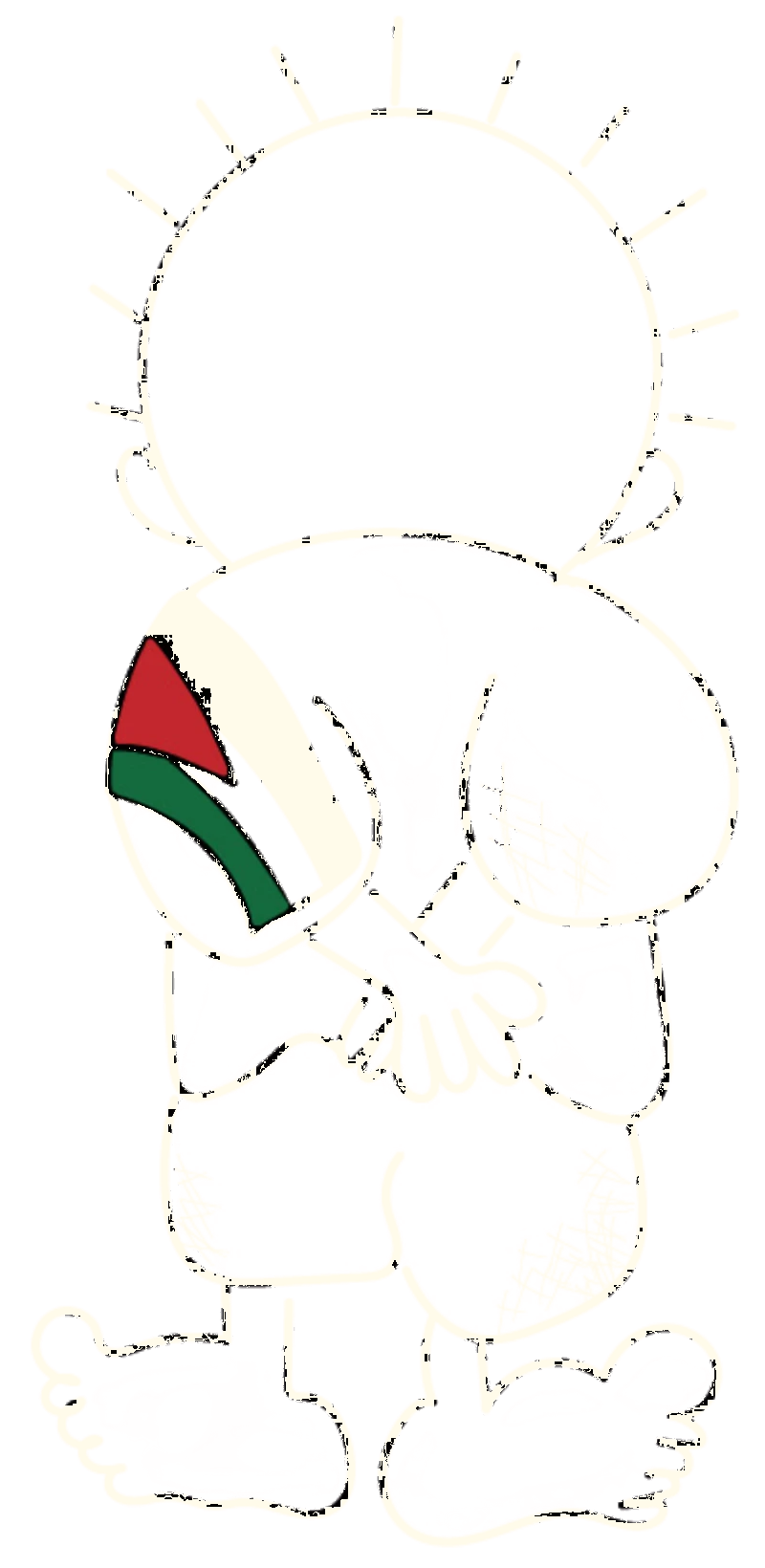
Working for newspapers in Kuwait, Naji creates the barefoot boy who will sign every cartoon he draws from then on.
After 1973
He turns his back
Handala turns away from the reader, hands clasped behind him, and never turns around again.
1960s – 1987
40,000 cartoons
Naji draws for newspapers in Kuwait, Beirut and London, an estimated 40,000 cartoons. He spares no one: the Israeli occupation, Arab governments that abandoned Palestinians, and Palestinian leaders he believed had lost their way.
22 July 1987
Shot in London
Naji is shot outside the London office of the Kuwaiti newspaper al-Qabas. He dies on 29 August, after five weeks in a coma. He is buried in Brookwood Cemetery outside London, far from Palestine.
1988
The Golden Pen of Freedom
The World Association of Newspapers awards him, after his death, its Golden Pen of Freedom.
2017
The case is reopened
London's Metropolitan Police reopen the investigation into his killing. No one has ever been brought to justice.
Today
Handala everywhere
Handala is painted on the separation wall, carried on protest signs, worn as a necklace and tattooed on skin. He belongs to every Palestinian who has not been allowed to go home. We named this site after him because he is a witness. He does not look away, and neither should we.
He is still ten years old.
He is still waiting to go home.
Take action →